The New Mayfair Table Worth Booking This Summer
Mayfair has never lacked fine dining. What it has occasionally lacked is momentum—the sense that something newly worth your attention is actually happening, rather than simply being maintained.
That is beginning to shift. This summer, the most interesting tables in Mayfair are not defined by grandeur alone, but by timing. Some arrive with full institutional weight; others build more quietly, relying on early reservations and measured word-of-mouth to establish themselves.
“ The result is a sharper dining landscape. Less about permanence, more about positioning. A restaurant is no longer simply in Mayfair. It is either part of the current conversation, or just outside it.”
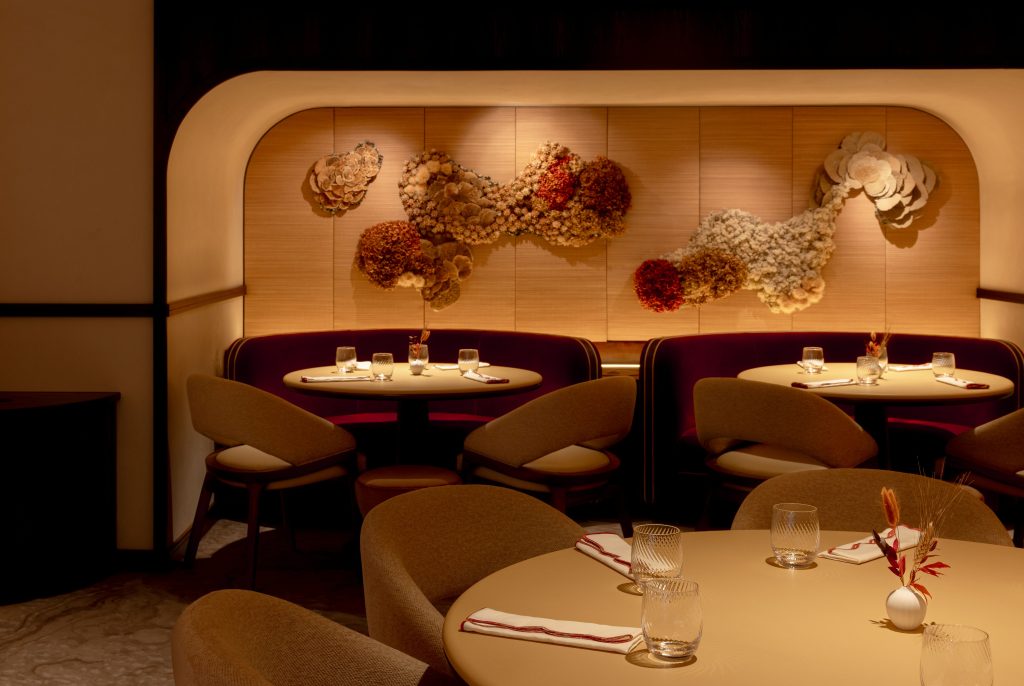
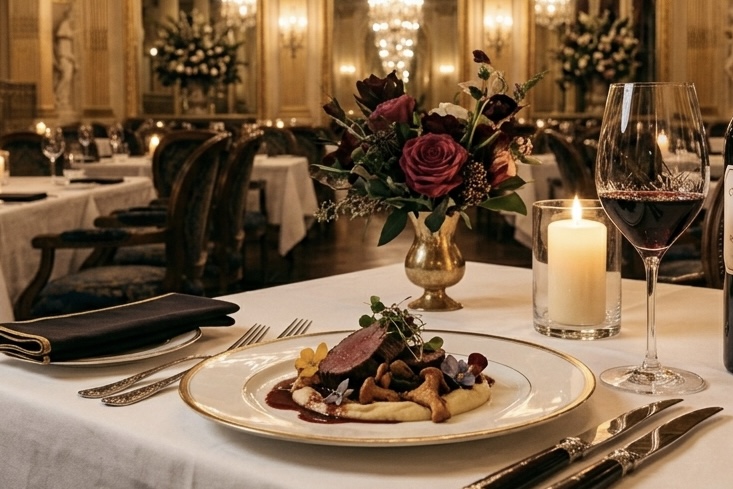
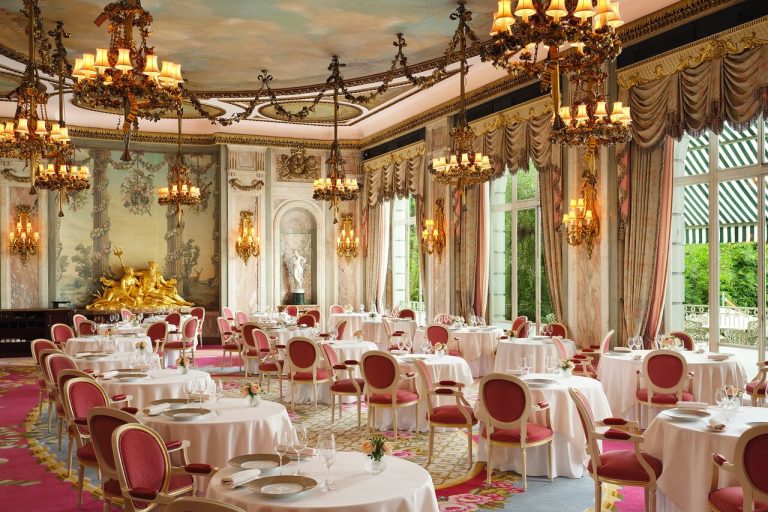
Bonheur by Matt Abé sits firmly at the centre of that conversation. It is a restaurant built on clarity of intent—refined French fine dining, executed with precision, and staged in a way that feels unmistakably Mayfair without leaning on nostalgia.
The room is controlled rather than theatrical. Service is polished without rigidity. The food reflects serious pedigree, but the delivery is measured—confident enough to avoid overstatement.
This is not a restaurant trying to reinterpret luxury. It is reinforcing it. Bonheur understands exactly what it is: a destination table for deliberate evenings, where the reservation itself is part of the occasion.
Location: 43 Upper Brook Street, Mayfair, W1K 7QR Website: www.bonheurbymattabe.com Instagram: @bonheurbymattabe
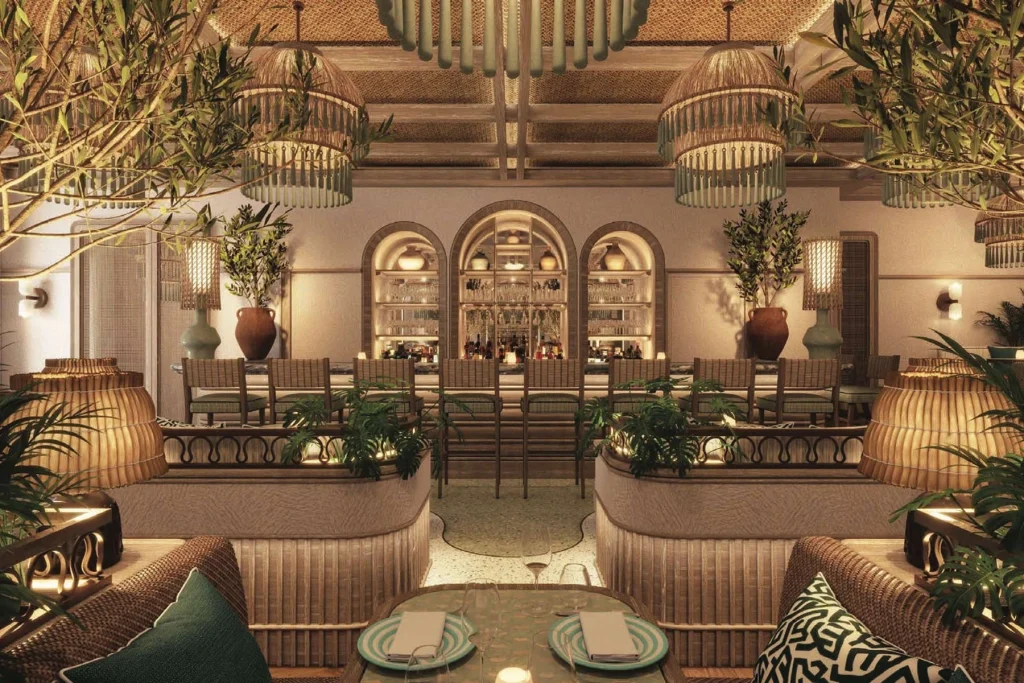
NAMMOS London arrives with a different kind of momentum—one that skips the quiet introduction entirely. Transporting the high-octane energy and sun-drenched ethos of Mykonos into the heart of Mayfair, it is a masterclass in atmosphere as an art form.
Where other rooms in the neighborhood ask for hushed focus, NAMMOS invites a certain kinetic theatre. The space is vibrant, unashamedly glamorous, and designed to turn dining into an event. The menu delivers fresh, hyper-refined Mediterranean flavors—impeccable seafood and clean, sharp plates—but the real pull is the sheer rhythm of the room. It captures a specific, elusive summer feeling: where lunch effortlessly bleeds into twilight, and the energy only climbs.
It is an injection of pure escapism. NAMMOS doesn’t ask you to study the plate; it asks you to inhabit the moment. In a neighborhood known for its restraint, this table offers a welcome, high-spirited contrast.
Location: Berkeley Square, Mayfair, London Website: www.nammos.com Instagram: @nammosworld
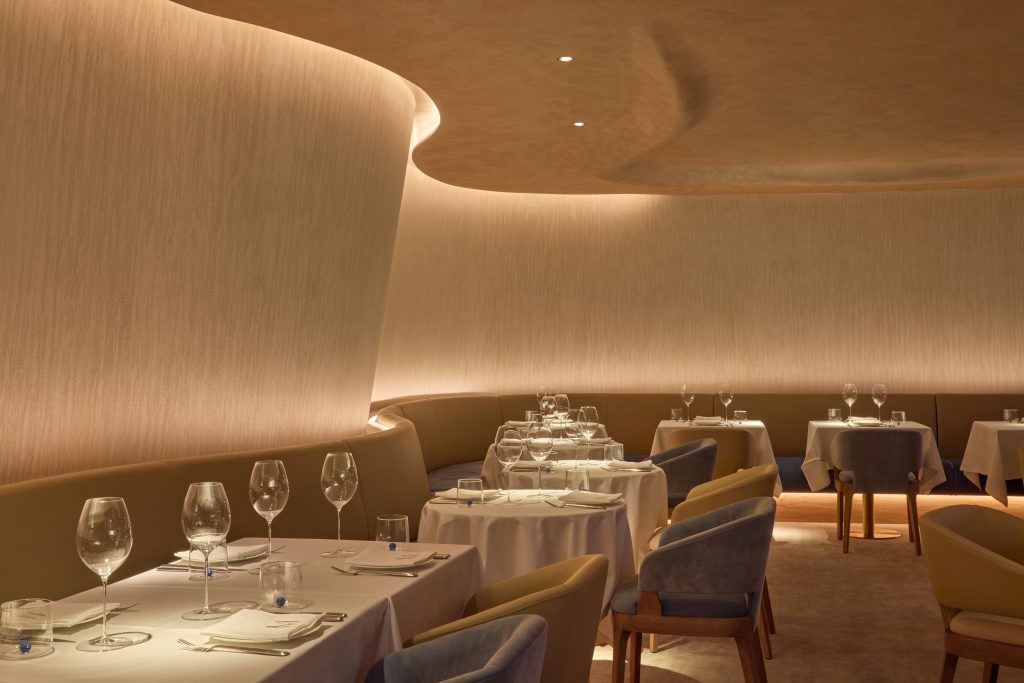
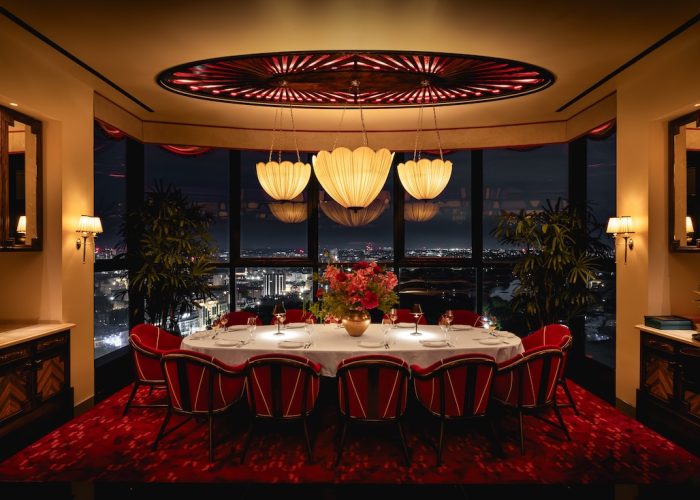
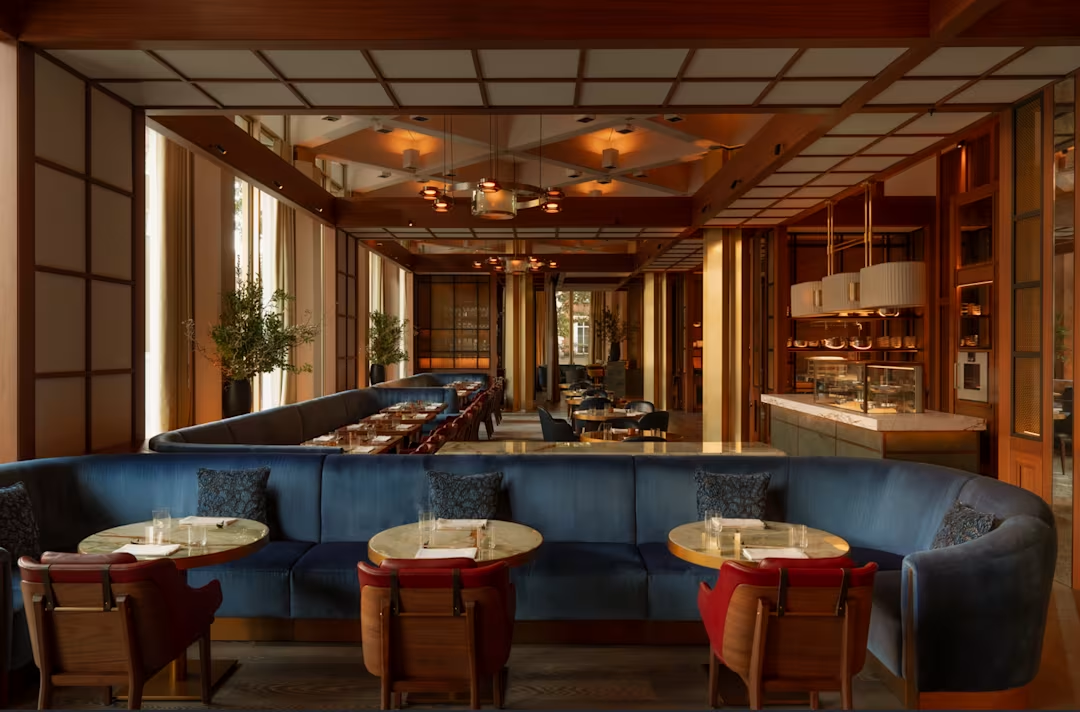
Mazarine operates on a different frequency. It does not announce itself. Instead, it builds gradually—through conversation, early repeat visits, and the kind of quiet attention that tends to precede wider recognition. There is a looseness to the experience that feels intentional. The room does not overwhelm the food, nor does the food dominate the room. Everything settles into balance, leaving space for the evening to unfold at its own pace.
At this stage, Mazarine is still being defined. That is precisely what makes it interesting. The most relevant tables in Mayfair often exist briefly in this phase—before they become fully explained.
Location: 22 Hanover Square, Mayfair, W1S 1JA Website: www.mazarinerestaurant.com Instagram: @mazarinerestaurant
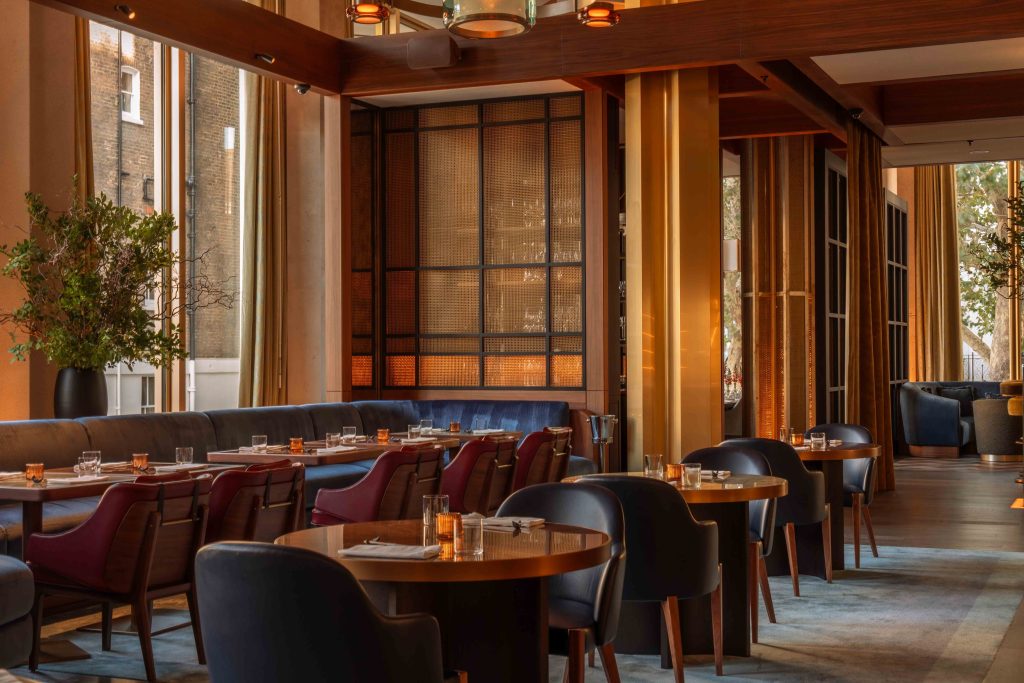
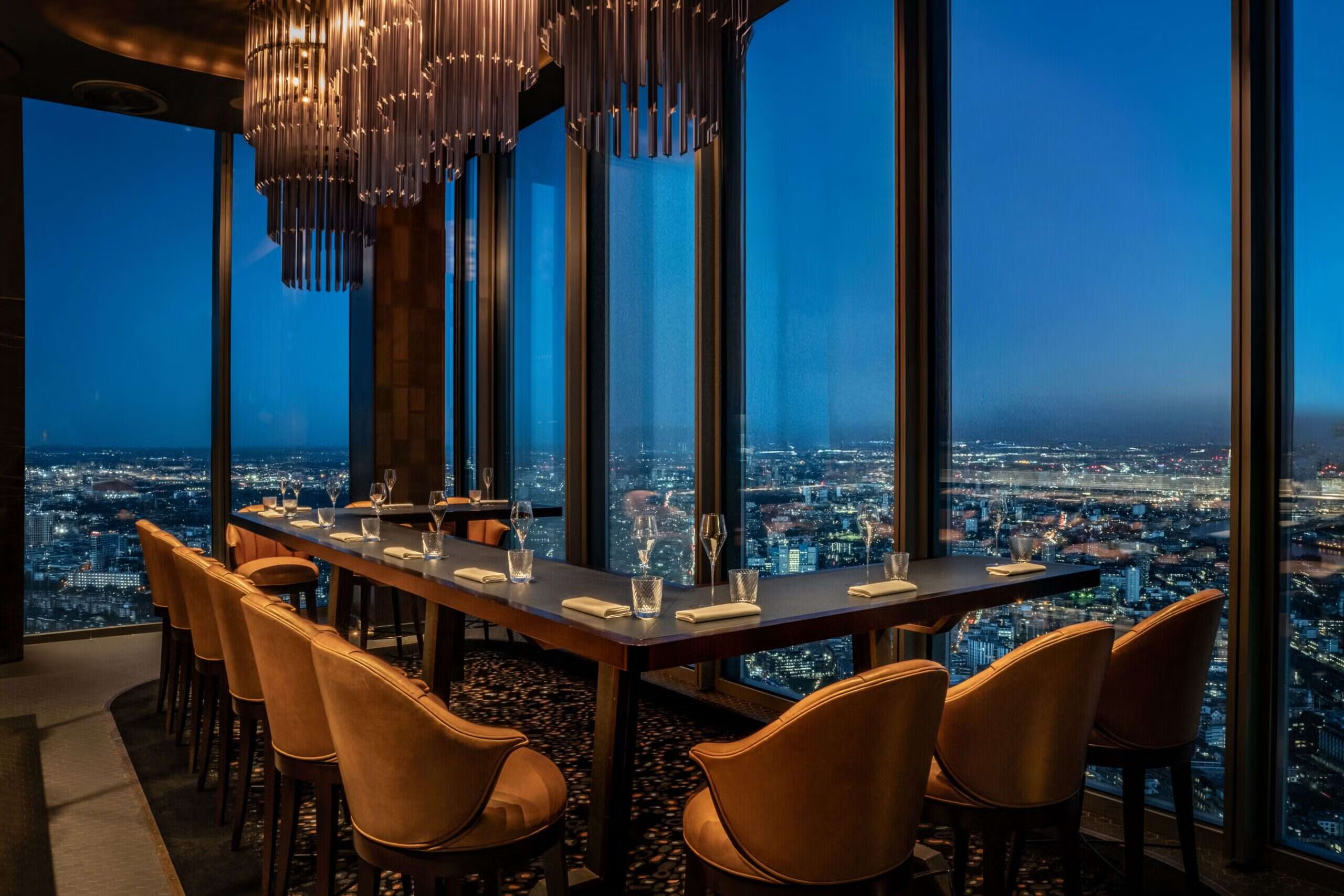
Tobi Masa introduces a different kind of precision to Mayfair—one defined less by ceremony than by absolute control. Set inside The Chancery Rosewood on Grosvenor Square, Masayoshi Takayama’s quietly exacting approach brings an intimacy that feels notably restrained, even by neighborhood standards.
The seven-seat omakase format is the clearest expression of the restaurant’s intent: hushed, minimalist, and built around concentration rather than spectacle. What makes it relevant now is its contrast to Mayfair’s usual visibility. This is luxury traded on discretion—quieter, disciplined, and entirely uninterested in announcing itself.
Location: 30 Grosvenor Square, Mayfair, W1K Website: www.rosewoodhotels.com Instagram: @thechanceryrosewood
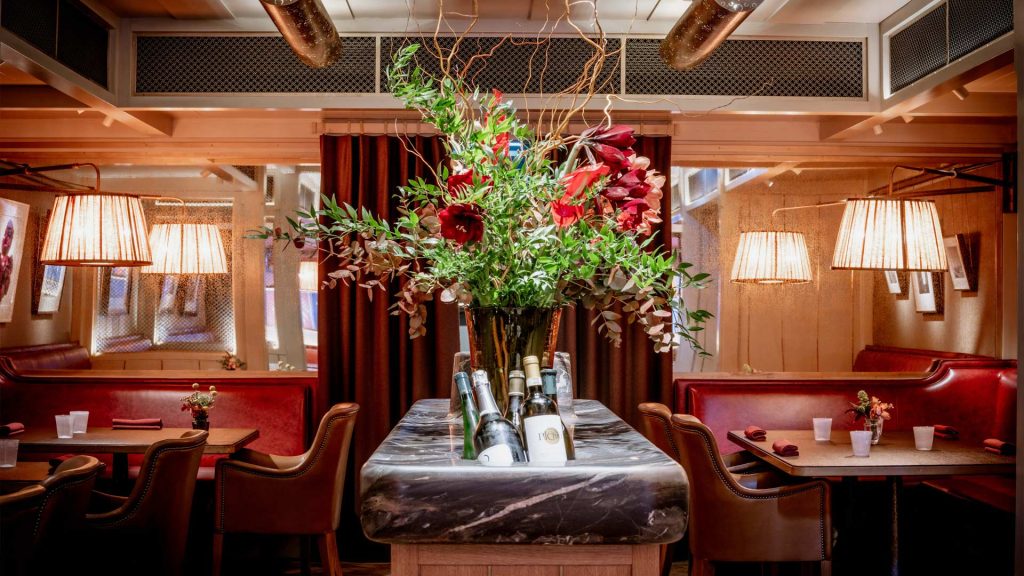
The Cocochine offers a more composed expression of luxury. It is fine dining, but framed through a wider aesthetic lens: art, design, and atmosphere carrying as much weight as the menu itself.
The tasting format anchors it in tradition, but the ambition is broader. There is a clear sense of curation—of a restaurant that sees itself not only as somewhere to dine, but as somewhere to observe, inhabit, and read closely.
It is less about ease, more about composition. A table that asks for attention rather than simply accommodating it.
Location: 27 Bruton Place, Mayfair, W1J 6NQ Website: www.thecocochine.com Instagram: @thecocochine
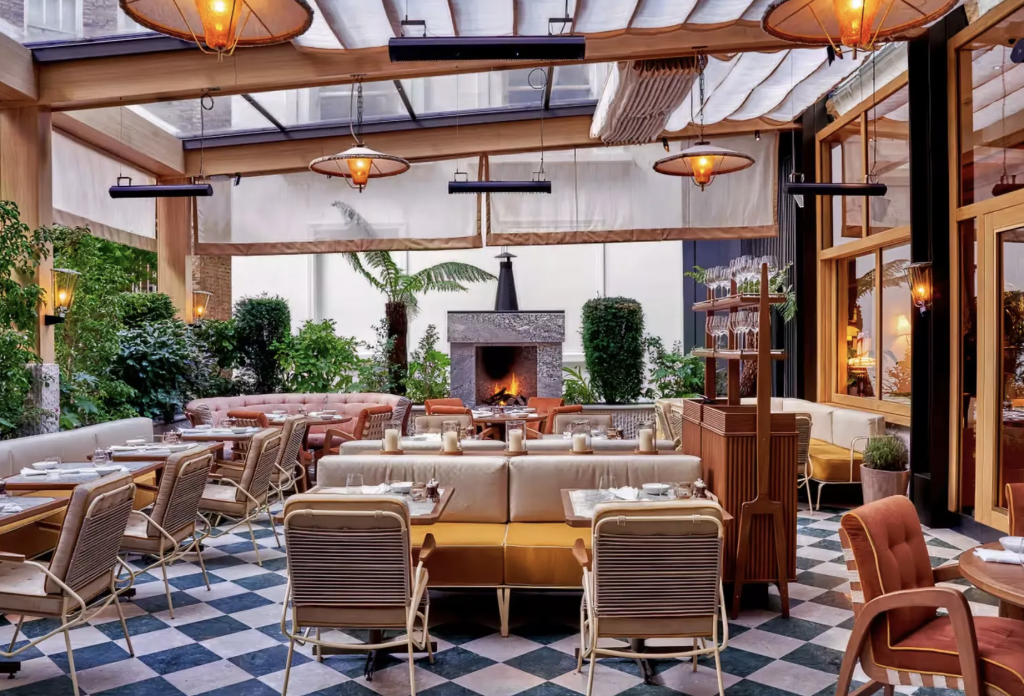
Dovetale shifts the tone entirely. If Bonheur and Tobi Masa operate within the tighter codes of fine dining, Dovetale reflects their release.
It is lighter in atmosphere, more responsive to time of day, and distinctly shaped by the season. Light moves through the room in a way that feels designed rather than incidental.
There is less ceremony here. The pacing is looser, more open-ended, and intentionally less formal in its expression. It is Mayfair dining with some of its rigidity removed—still polished, but less intent on performance.
In summer, that matters. It becomes a place defined less by structure than by duration—by how long lunch becomes afternoon, and whether dinner needs to end at all.
Location: 3 Berkeley St, London W1J 8DL Website: www.dovetalelondon.com Instagram: @dovetalelondon
What links these tables is not similarity, but contrast. Together, they map a shift in how Mayfair is dining now.
On one side: restaurants still operating within the logic of occasion—precise, composed, and reservation-led. On the other: spaces beginning to favour atmosphere, elasticity, and a lighter sense of formality.
The most interesting additions sit somewhere between those poles. Bonheur reinforces old Mayfair codes. Tobi Masa refines them into something quieter and more exacting. Mazarine softens them. Dovetale loosens them altogether. Meanwhile, NAMMOS boldly redefines them, replacing traditional Mayfair gravity with the kinetic energy of a Mediterranean summer.
The idea of a “new Mayfair table” is no longer defined only by opening date or chef pedigree. It is defined by how quickly a restaurant enters the conversation—and how successfully it resists becoming too easily legible.
That is where the most interesting bookings now sit: somewhere between recognition and routine, before familiarity dulls their edge.